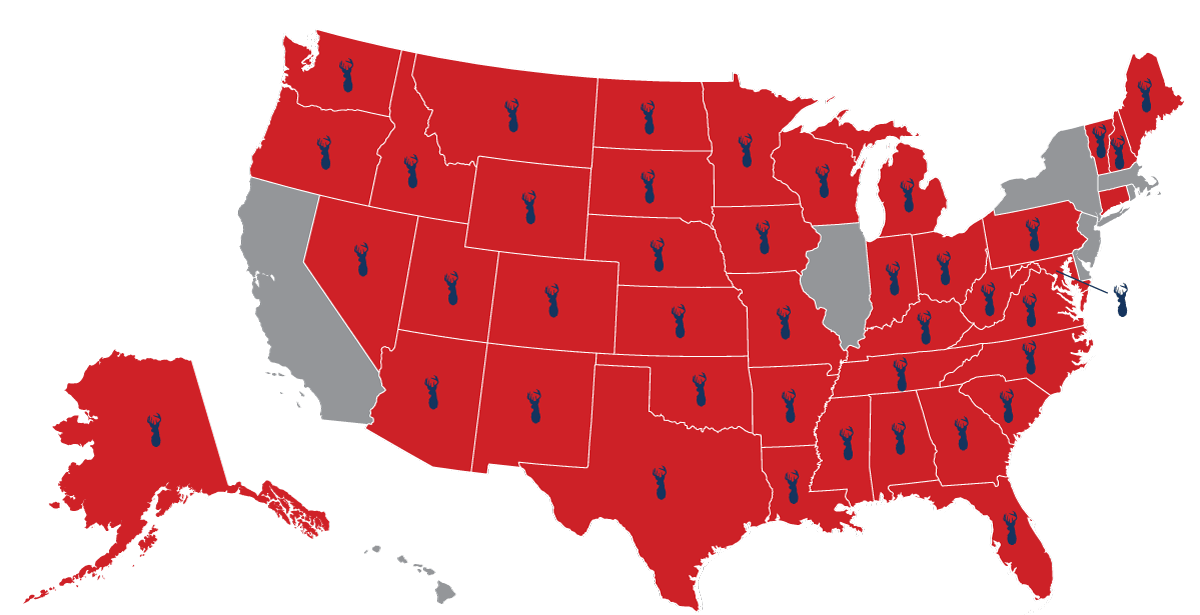
Since the ASA’s formation in 2011:
- ✻ 19 states have legalized suppressor hunting ✻
- ✻ 3 states have legalized suppressor ownership ✻
The Role of Suppressors
Suppressors, also known as silencers, are the hearing protection of the 21st century sportsman. Despite common misconceptions, suppressors are not silent. They are simply mufflers for firearms, which function by trapping the expanding gasses at the muzzle and allowing them to slowly cool.
Suppressor Legality and Ownership
Suppressors are regulated under the National Firearms Act (NFA) of 1934, which falls under the purview of the Bureau of Alcohol, Tobacco, Firearms and Explosives (ATF). To legally purchase or possess a suppressor you must:
- Be at least 21 years of age to purchase a suppressor from a dealer.
- Be at least 18 years of age to purchase a suppressor from an individual on a Form 4 to Form 4 transfer (contingent on state laws).
- Be at least 18 years of age to possess a suppressor as a beneficiary of a trust or as a member of a corporation (contingent on state laws).
- Be a resident of the United States.
- Be legally eligible to purchase a firearm.
- Pass a BATFE background check with a typical process time of 8 to 10 months.
- Pay a one time $200 Transfer Tax.
- Reside in one of the 42 states that currently allows civilian ownership of suppressors.
Hearing Protection
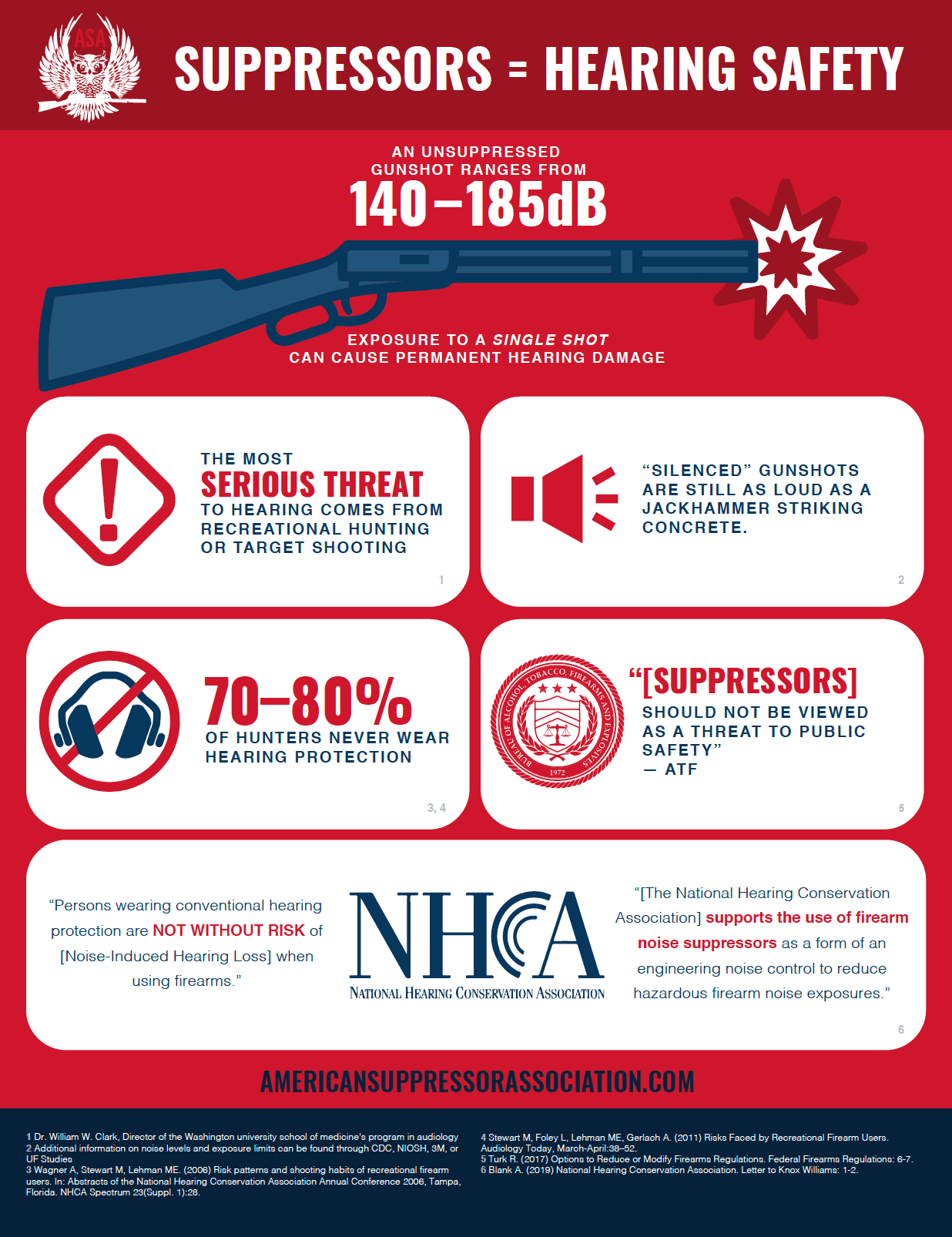
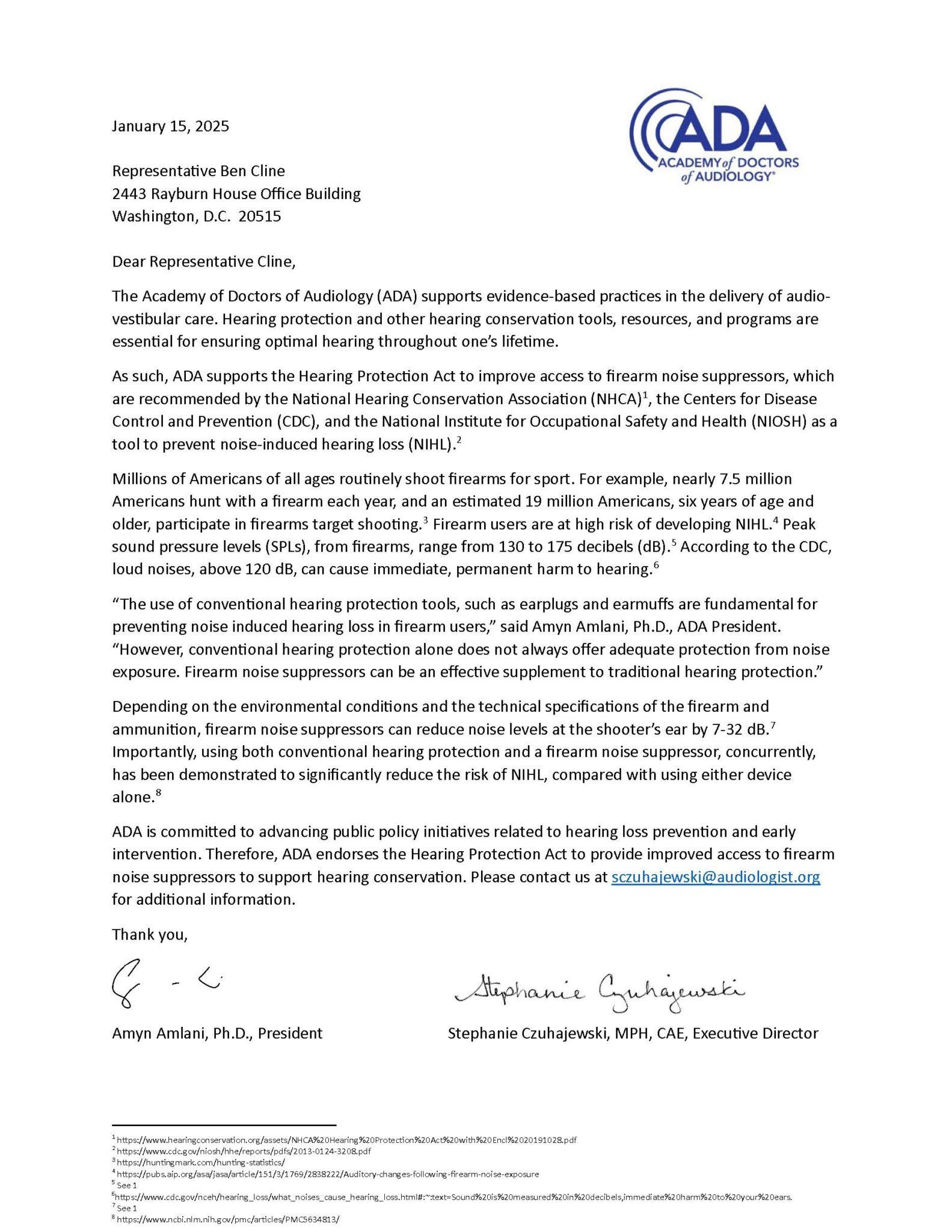
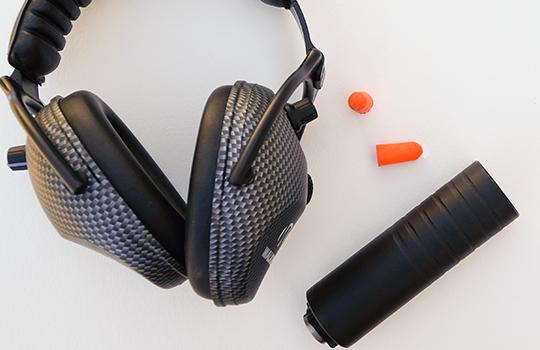
Suppressors reduce the noise of a gunshot by an average of 20 – 35 dB, which is roughly the same as earplugs or earmuffs.
Read More
Safer Hunting
Exposure to even a single unsuppressed gunshot can, and often does, lead to permanent hearing damage.
Read More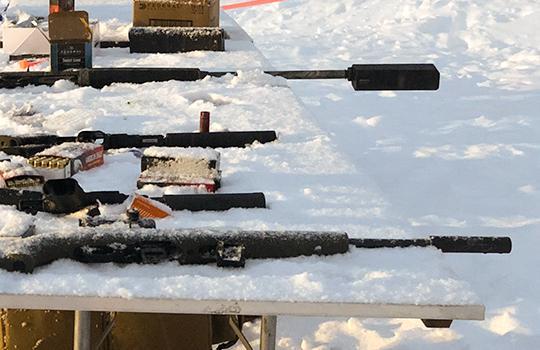
Noise Complaints
Although it can still be heard, suppressed gunfire helps mitigate noise complaints from those who live near shooting ranges and hunting land.
Read More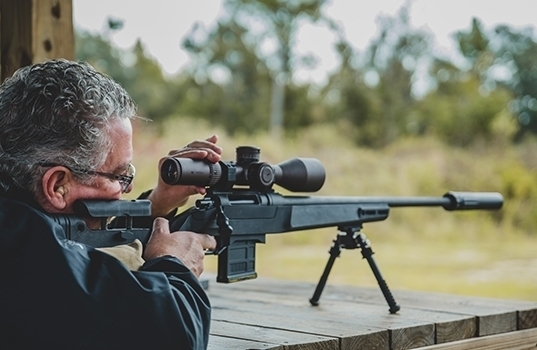
Accuracy
Suppressors reduce recoil and help decrease muzzle flinch. These benefits lead to improved accuracy, better shot placement, and more humane hunts.
Read More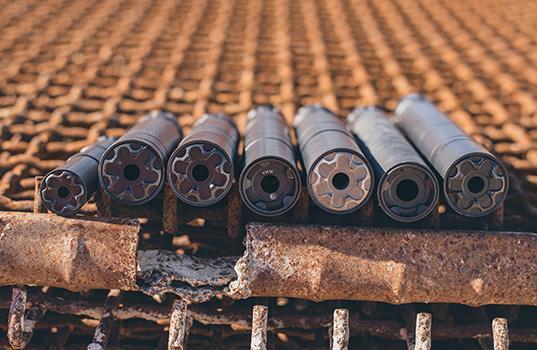
How To Buy
Buying a suppressor is much easier than most people think. A licensed dealer can help you complete the process. To find a dealer near you, visit our Dealer Locator.
Read More